
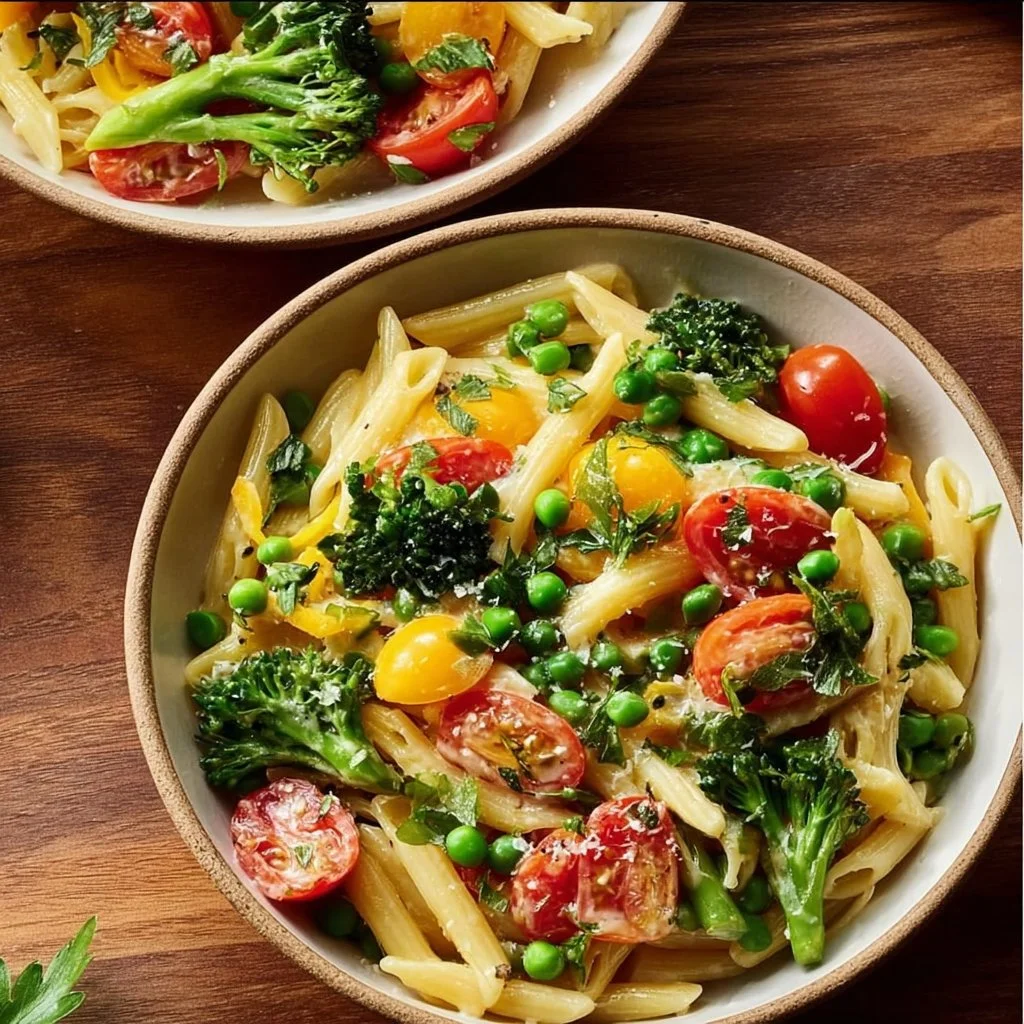
why make this recipe
Classic Pasta Primavera is a delightful and colorful dish that showcases fresh vegetables and vibrant flavors. It is a great way to enjoy a variety of seasonal produce while creating a healthy and satisfying meal. This dish not only pleases the palate but also provides a feast for the eyes. The combination of pasta and vegetables makes it hearty, and the addition of garlic and olive oil adds a beautiful aroma and richness. Vegan or gluten-free options are easily available, which makes it versatile for different dietary preferences. Plus, it comes together quickly, making it perfect for weeknight dinners or a special occasion.
how to make Classic Pasta Primavera
Ingredients:
- 8 oz pasta (spaghetti, fettuccine, or penne)
- 2 tbsp extra virgin olive oil
- 4 cloves garlic (minced)
- 1 cup bell peppers (mixed colors, sliced)
- 1 medium zucchini (sliced into half-moons)
- 1 cup cherry tomatoes (halved)
- 1/2 cup fresh basil (chopped)
- 1 cup vegetable broth
- 1/2 cup Parmesan cheese (grated)
- Salt and pepper to taste
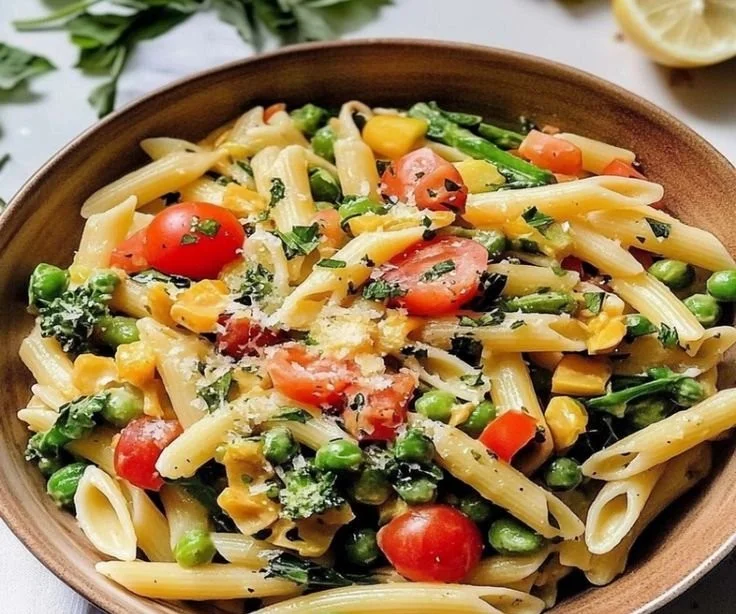
Directions:
Cook the Pasta: Begin by cooking the pasta according to the instructions on the package. Bring a large pot of salted water to a boil and add the pasta. Cook until it is al dente, which means it should still have a slight firmness when bitten. Before draining the pasta, reserve a cup of the pasta water and set it aside. This step is crucial as it helps adjust the sauce’s consistency later on.
Prepare the Vegetables: While the pasta is cooking, heat a large skillet over medium heat. Add 2 tablespoons of extra virgin olive oil to the pan. Once the oil is hot, add 4 cloves of minced garlic. Sauté them for about one minute or until they become fragrant. Be careful not to burn the garlic, as it can develop a bitter taste.
Cook the Bell Peppers and Zucchini: Next, add 1 cup of sliced bell peppers and 1 medium zucchini (sliced into half-moons) to the skillet. Stir them into the sautéed garlic and cook for about 3 to 5 minutes until they become tender but still crisp. This is when the colorful vegetables will start to soften and release their flavors.
Add the Cherry Tomatoes: Now, add 1 cup of halved cherry tomatoes to the skillet. Stir well and allow them to cook for an additional 2 to 3 minutes. The tomatoes will start to collapse and release their juices, which will become part of the sauce.
Combine Pasta and Vegetables: Once the vegetables are cooked, add the drained pasta to the skillet. Pour in 1 cup of vegetable broth and toss everything gently to combine. If the pasta looks too dry, add some of the reserved pasta water until you reach the desired consistency.
Season and Finish: Season the dish with salt and pepper to taste. Add 1/2 cup of chopped fresh basil and 1/2 cup of grated Parmesan cheese. Stir well to ensure everything is evenly mixed and the cheese is melted and incorporated into the dish.
Serving: Serve the pasta primavera warm on plates or in bowls. You can garnish each serving with a drizzle of extra olive oil and a sprinkle of Parmesan cheese for an added touch of flavor and presentation.
how to serve Classic Pasta Primavera
Pasta Primavera is best served fresh and hot, straight from the stove. Dish out generous portions on plates or into shallow bowls, allowing the colorful vegetables to shine. You can enhance the dish further with a drizzle of high-quality extra virgin olive oil on top and a sprinkle of freshly cracked black pepper or additional Parmesan cheese.
This dish pairs wonderfully with a simple side salad or garlic bread. For a complete meal, consider adding protein such as grilled chicken or shrimp, but it’s equally satisfying on its own.
how to store Classic Pasta Primavera
Leftovers of Pasta Primavera can be stored in an airtight container in the refrigerator for up to 3 days. Make sure to allow the dish to cool completely before sealing it up to avoid condensation, which can make the pasta soggy.
To reheat, place the desired amount in a saucepan over medium heat on the stove, adding a splash of vegetable broth or water to help loosen the pasta. Stir occasionally until heated through, or you can microwave it in short intervals, stirring in between, until warmed properly.
Avoid freezing Pasta Primavera, as the texture of the vegetables may change once thawed.
tips to make Classic Pasta Primavera
Choose Fresh Vegetables: Select seasonal vegetables for the best flavor and nutrition. Bell peppers, zucchini, and cherry tomatoes are versatile options, but feel free to explore others like asparagus, broccoli, or carrots.
Adjust the Flavor: Feel free to add more herbs and spices. Fresh herbs like thyme, oregano, or parsley can add a nice touch. A squeeze of lemon juice can brighten the flavors even more.
Pasta Variations: While traditional options like spaghetti, fettuccine, or penne are delightful, you can opt for whole-grain pasta or gluten-free pasta made from chickpeas or lentils for a healthier alternative.
Add Protein: To make it a heartier meal, consider adding grilled chicken, shrimp, or chickpeas for some added protein.
Vegan Variation: To make this dish vegan, omit the Parmesan cheese or replace it with vegan cheese alternatives or nutritional yeast to retain a cheesy flavor without dairy.
variation
There are plenty of ways to customize Pasta Primavera to suit your tastes or dietary needs:
Creamy Variation: For a creamier version, you can stir in a splash of heavy cream or a dollop of cream cheese when combining the pasta with the vegetables. This will create a rich and luxurious sauce.
Spicy Kick: If you prefer some heat, add a pinch of red pepper flakes when sautéing the garlic, or sprinkle some over the dish before serving for an added kick.
Roasted Vegetables: For a deeper flavor, roast the vegetables in the oven instead of cooking them on the stovetop. Drizzle them with olive oil and season with salt and pepper, then roast at 400°F (200°C) for about 20-25 minutes before mixing them with the pasta.
Herb-Infused Oil: Infuse your olive oil with herbs or garlic by lightly cooking them before adding to the dish. This adds layers of flavor that enhance the dish.
FAQs
Can I use frozen vegetables instead of fresh?
Yes, you can use frozen vegetables if fresh ones are not available. Just make sure to thaw them before cooking, or add them directly to the skillet, adjusting the cooking time until they are heated through.
How many servings does this recipe make?
This recipe serves about 4 people, depending on their appetite. You can easily multiply the ingredients if you need to serve a larger crowd.
Can Pasta Primavera be made ahead of time?
Yes, you can prepare the vegetables and store them in the refrigerator. Cook the pasta fresh when you’re ready to serve, and combine both at that time to preserve the crunchiness of the vegetables.
Is this pasta dish suitable for kids?
Absolutely! Pasta Primavera is colorful and nutritious, making it a great option for children. You can adjust the seasonings and vegetables according to their tastes for a more kid-friendly version.
Print
Classic Pasta Primavera
- Total Time: 35 minutes
- Yield: 4 servings 1x
- Diet: Vegetarian
Description
A delightful and colorful dish showcasing fresh vegetables with vibrant flavors, perfect for weeknight dinners or special occasions.
Ingredients
- 8 oz pasta (spaghetti, fettuccine, or penne)
- 2 tbsp extra virgin olive oil
- 4 cloves garlic (minced)
- 1 cup bell peppers (mixed colors, sliced)
- 1 medium zucchini (sliced into half-moons)
- 1 cup cherry tomatoes (halved)
- 1/2 cup fresh basil (chopped)
- 1 cup vegetable broth
- 1/2 cup Parmesan cheese (grated)
- Salt and pepper to taste
Instructions
- Cook the pasta according to the package instructions in salted boiling water until al dente. Reserve a cup of pasta water before draining.
- Heat a large skillet over medium heat and add the olive oil.
- Add the minced garlic to the skillet and sauté for about one minute until fragrant.
- Cook the bell peppers and zucchini in the skillet for 3 to 5 minutes until tender yet crisp.
- Stir in the halved cherry tomatoes and cook for an additional 2 to 3 minutes until they begin to collapse.
- Combine the drained pasta with the vegetables. Pour in the vegetable broth and toss gently, adding reserved pasta water as needed for consistency.
- Season with salt and pepper, then add the chopped basil and grated Parmesan cheese, stirring until well mixed.
- Serve warm with a drizzle of olive oil and additional Parmesan if desired.
Notes
For a vegan version, substitute Parmesan cheese with nutritional yeast or a vegan cheese alternative.
- Prep Time: 15 minutes
- Cook Time: 20 minutes
- Category: Main Course
- Method: Sautéing
- Cuisine: Italian
Nutrition
- Serving Size: 1 serving
- Calories: 350
- Sugar: 5g
- Sodium: 400mg
- Fat: 12g
- Saturated Fat: 4g
- Unsaturated Fat: 6g
- Trans Fat: 0g
- Carbohydrates: 45g
- Fiber: 3g
- Protein: 15g
- Cholesterol: 30mg
Keywords: pasta, primavera, vegetables, healthy, vegetarian